- Home
- Cases
Help When You Need It Most
Each year, FIRE reviews thousands of potential cases involving individuals and groups whose rights are threatened. FIRE’s team of legal and advocacy experts have decades of experience protecting free speech both on and off college campuses. Learn more about FIRE’s civil liberties cases.

Case Archive
1,332Cases
Featured Litigation Cases

LAWSUIT: Texas bans the First Amendment at public universities after dark
Press Release

Pennsylvania officers face First Amendment lawsuit for trying to criminalize profanity and using patrol car to chase man who recorded police
Press Release

LAWSUIT: FIRE challenges unconstitutional provisions Rubio uses in crusade to deport legal immigrants over protected speech
Press Release
Featured Advocacy Cases
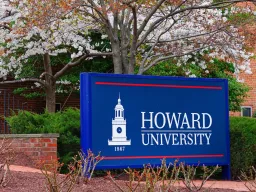
Howard University: Public Calls on Howard University to Punish Faculty for Charlie Kirk Comments
Howard University

Columbia University: DHS arrests pro-Palestinian activist Mahmoud Khalil
Columbia University

Temple University: President Suspends Student, Announces Investigation into Anti-Semitic Sign at Philadelphia Bar
Temple University

Have your rights been violated?
If you are facing retaliation over protected speech, or if you are a college student or faculty member whose First Amendment rights may have been violated, reach out to FIRE to learn more about how we can protect your rights.
Become a Free Speech Insider!
Subscribe to receive emails and texts about FIRE's work and upcoming events.