Table of Contents
In Case You Missed It: Art at MIT, Brandeis President's Legacy, and Why Speech Codes Endure

Shutterstock.com
We know a lot of Torch readers were away for the holidays last week, so here are some excellent articles that you might have missed:
- FIRE President Greg Lukianoff wrote for the Massachusetts Institute of Technology’s newspaper The Tech to review a series of recent cases in which “the expressive rights of artists were deemed inferior to others’ desire to avoid having their sensibilities challenged.” Greg writes: “[T]here is ... tremendous value in art that forces us to challenge our beliefs. Do we want to live in a world where artists are not allowed to stray beyond the confines of comfort, and where unusual expression is quickly suppressed?”
- Former FIRE intern and Brandeis University alumnus Daniel Ortner discussed the legacy of former Brandeis president Jehuda Reinharz in Brandeis’ student newspaper The Justice. Under Reinharz’s administration, Brandeis was listed on FIRE’s “Worst of the Worst” list for its disregard for the fundamental rights of students and professors, including a 2008 case in which a professor was charged with racial harassment after discussing and critiquing the term “wetback” in his Latin American Politics class.
- Greg and FIRE Vice Senior President Robert Shibley penned an essay about the many factors that have contributed to the proliferation of speech codes on campuses nationwide. In order to fight them, Greg and Robert write, students and faculty must be willing to challenge these policies in court and legislators must work to pass speech-protective legislation. It’s a Herculean task, but a necessary one in order to protect the “marketplace of ideas” that colleges and universities are meant to be.
We highly recommend reading these pieces in full! Remember, you can always find more free speech news and analysis at FIRE's Newsdesk.
Recent Articles
Get the latest free speech news and analysis from FIRE.
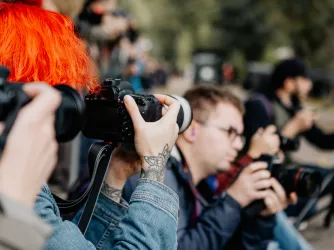
The secret war against student journalists
Across the country, colleges are using conduct hearings to punish student reporters for basic newsgathering — chilling who gets to tell campus stories.
The Federal Bureau of Investigation (of protected speech)
The FBI is probing Signal chats that track ICE activity — without evidence of a crime. That’s not law enforcement. It’s a First Amendment problem.
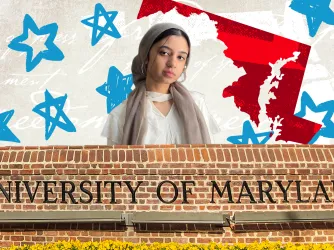
The paper was her lifeboat — UMD called it interference
She founded a Muslim student paper for community. Now UMD calls her reporting on a protest “interference” — and is pursuing discipline.
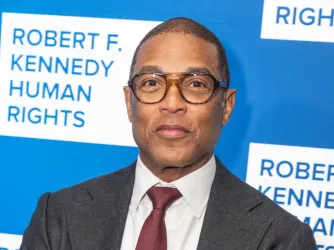
The federal charges against Don Lemon raise serious concerns for press freedom
Don Lemon faces federal charges after entering a Minnesota church with disruptive protesters to cover the event. What does this mean for press freedom and First Amendment rights?