Table of Contents
Student-Athletes May Face Increased Online Community Restrictions
Athletic directors and coaches are the latest group to express concern with online communities like Facebook.com and MySpace.com. At the end of June, Laing Kennedy, the Athletic Director at Kent State University, announced that student athletes must remove their Facebook profiles by August 1. A recent article from the Atlanta Journal-Constitution, which discusses this trend, explains that “Kennedy, who received harsh criticism, quickly backed off his ban and said last week he now restricts and monitors athletes’ use of the site.”
The monitoring and restriction of student-athletes’ profiles is more complicated than the same actions involving non-athletes. ADs and coaches seem most concerned about the images of the school, the athletic department, and the teams that these profiles can portray. The Columbus Dispatch reports that when discussing his proposed ban on student-athlete Facebook profiles, Kennedy said, “Student-athletes are representative of the university…and anything embarrassing on a student’s profile can be embarrassing for the university as well.”
As FIRE President Greg Lukianoff states in the Journal-Constitution article:
We have always recognized that students can give up certain rights to play athletics in college… They are representatives of the college. So we do recognize that universities have increased power to place limitations on students who are athletes.[…]Do you have to give up all your expressive rights to be on the sports team? By monitoring or censoring these sites, [college athletic programs] seem to be ignoring that these are both athletes and students.
Instead of banning these online communities, ADs and coaches should educate student-athletes on the consequences of their choices.
Recent Articles
Get the latest free speech news and analysis from FIRE.
TICKETS ON SALE: Step up to the Soapbox in Philadelphia, Nov. 4-6, 2026
Tickets on sale for Soapbox 2026 in Philly! Nov. 4–6. Fearless debates, bold speakers, and a gala celebrating free speech at America’s 250th.
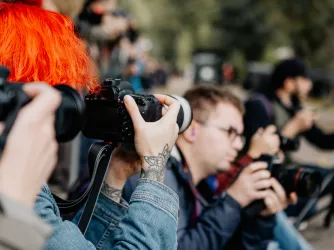
The secret war against student journalists
Across the country, colleges are using conduct hearings to punish student reporters for basic newsgathering — chilling who gets to tell campus stories.
The Federal Bureau of Investigation (of protected speech)
The FBI is probing Signal chats that track ICE activity — without evidence of a crime. That’s not law enforcement. It’s a First Amendment problem.
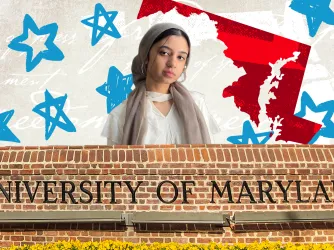
The paper was her lifeboat — UMD called it interference
She founded a Muslim student paper for community. Now UMD calls her reporting on a protest “interference” — and is pursuing discipline.